Mechanical beauty: invisible aging



Have you ever heard of mechanical beauty?
Mechanical beauty is a scientific approach to beauty that focuses on protecting the skin and hair by reducing daily physical stress rather than simply adding more and more active ingredients.
Indeed, modern cosmetics talk about active ingredients.
Dermatology talks about inflammation.
Trichology talks about keratin.
But there is one overarching factor that links it all: mechanics.
Friction, compression, shearing, traction – these invisible physical forces influence the condition of the skin and hair on a daily basis.
This comprehensive guide explains:
Welcome to the scientific understanding of mechanical beauty.
In cutaneous biophysics, mechanical stress refers to a physical force applied to tissues.
We distinguish between:
These repeated stresses can cause micro-inflammation, damage to collagen fibres, disruption of the hydrolipidic film, and lifting of the hair cuticles.
It is not the occasional intensity that causes damage. It is chronic repetition.
2.1 Sleep lines: a biomechanical phenomenon
Sleep lines are creases caused by prolonged pressure during the night.
For 6 to 8 hours:
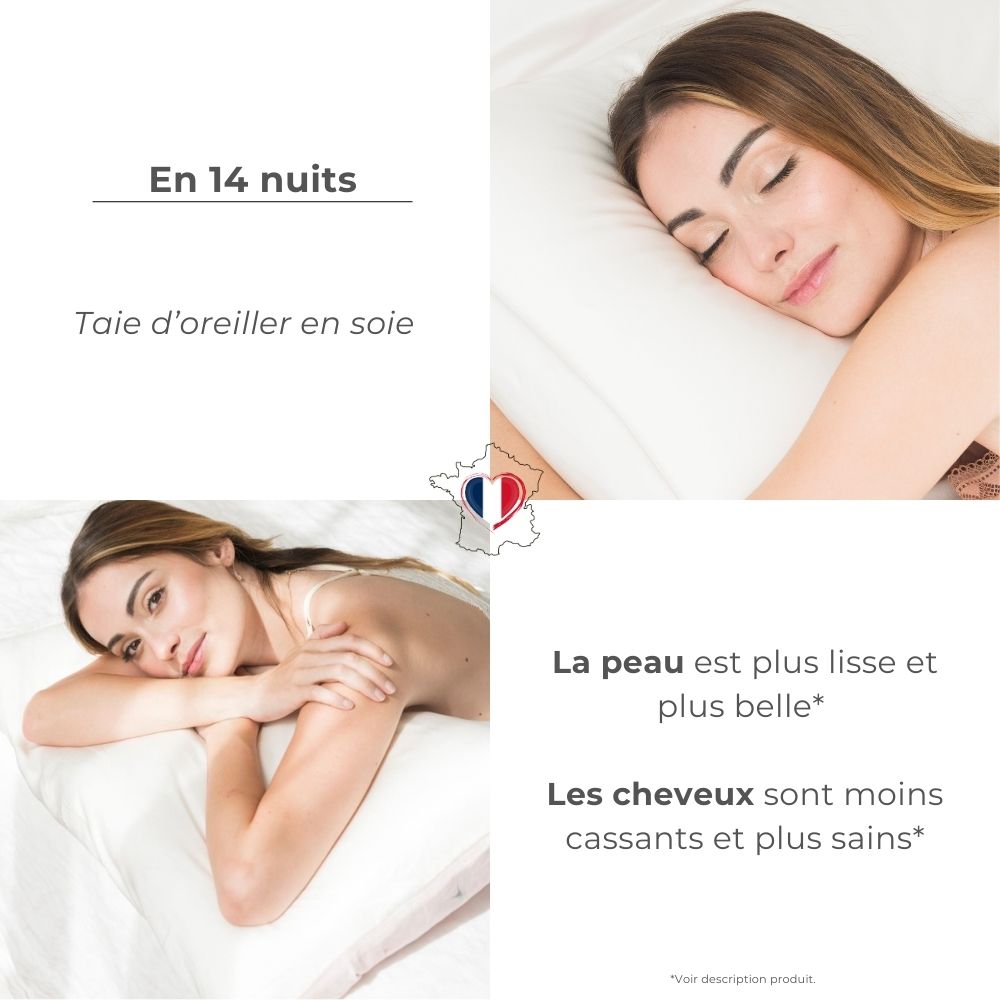
With age, the loss of elasticity makes these creases less reversible. The areas most affected are: the cheekbones, the eye area, and the nasolabial folds.
Mechanical repetition encourages their formation.
2.2 Friction and moisture loss
Friction can:
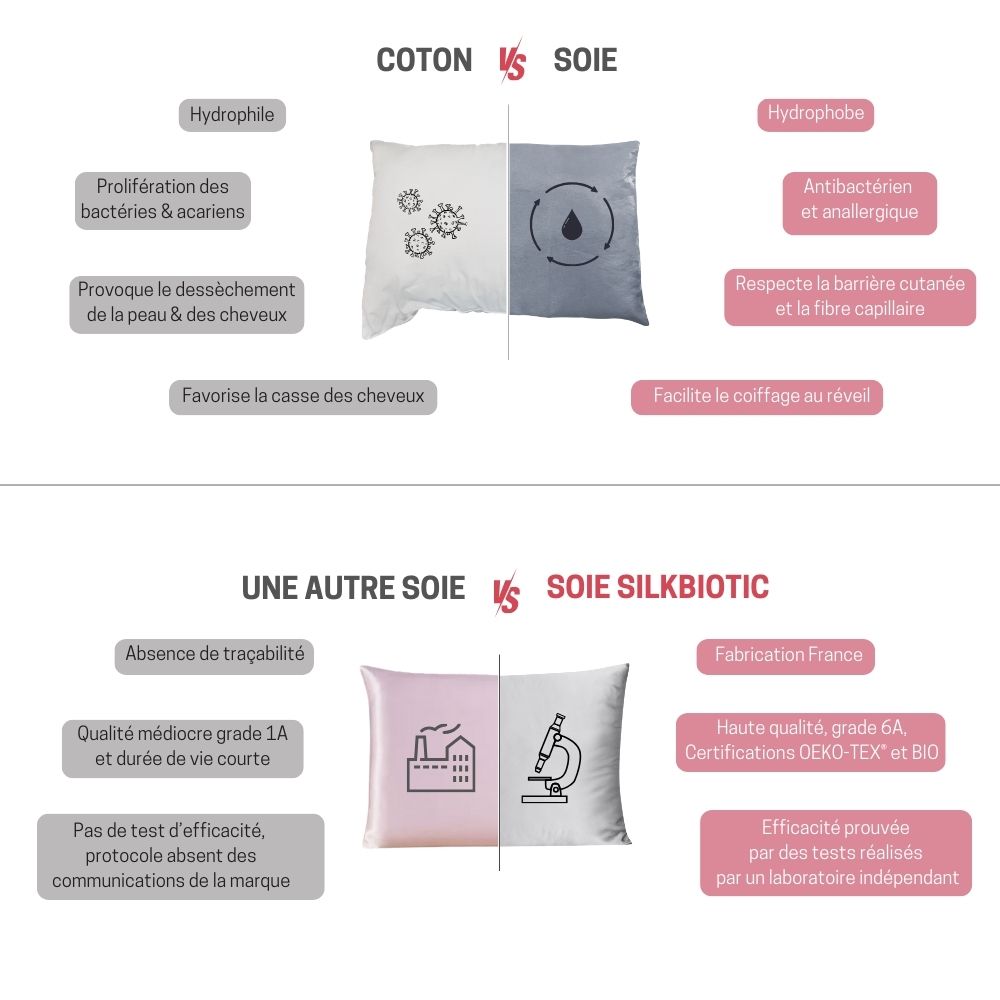
Rough fabrics increase the coefficient of friction. Smooth surfaces reduce it.
The hair shaft is composed mainly of keratin and is organised into three layers: the medulla (at the centre), the cortex (inner structure) and the cuticle (outer layer).
The cuticle is made up of fine, transparent scales, overlapping one another like tiles on a roof. This structure protects the cortex, maintains internal moisture and ensures the hair’s shine by reflecting light.
When these cuticles are smooth and well-aligned, the hair is supple, shiny and strong. When they lift or become damaged (due to friction, heat or chemical treatments), the hair fibre becomes more porous, more fragile and prone to breakage.
Repeated friction:
Results:
✔ Breakage
✔ Frizz
✔ Split ends
✔ Loss of shine
Night-time is a critical phase due to repeated unconscious movements.
The fabric has a direct influence on:
An absorbent and rough fabric therefore increases shear forces, dehydration and hair fibre stress.
According to Regulation (EC) No 1223/2009, a cosmetic product is defined by its function:
To come into contact with the external parts of the human body in order to protect them or keep them in good condition.
The definition is based on the functional effect.
A textile that remains in prolonged contact with the skin, exerting a mechanical influence on it and reducing physical stress, can be seen as part of this protective approach.
Certain brands specialising in silk, such as Les Laboratoires SILKBIOTIC, are developing this preventive approach by acting on the coefficient of friction and limiting nocturnal micro-trauma.
It is not a question of adding an active ingredient. It is a question of reducing irritation.
For the skin
✔ Choose smooth surfaces
✔ Avoid rough fabrics
✔ Minimise prolonged pressure
For the hair
✔ Avoid tying it too tightly
✔ Minimise friction whilst sleeping
✔ Preserve natural moisture
Anti-ageing prevention is based on three key areas:
1. Chemical protection, which involves the use of active ingredients capable of neutralising biological aggressors. Antioxidants, UV filters and repairing agents help to limit oxidative stress and collagen breakdown. This approach protects the skin against environmental factors responsible for premature ageing.
2. Biological stimulation, i.e. the activation of the skin’s natural mechanisms. Certain active ingredients promote the production of collagen and elastin, or cell renewal. This approach aims to strengthen the skin’s structure and maintain firmness and elasticity over time.
3. Reduction of mechanical stress, i.e. limiting repeated friction, compression and tension. By reducing these daily micro-aggressions, we reduce the stress placed on the skin tissues. Less mechanical stress means fewer repeated creases and better preservation of elasticity over time.
The third pillar is the most underestimated: Less friction = fewer repeated micro-creases = less tissue stress.
The skin and hair are not only subjected to chemical stress. They are also exposed, day and night, to repeated physical stress.
Reducing this mechanical stress represents a scientific, consistent and resolutely preventive approach to beauty.
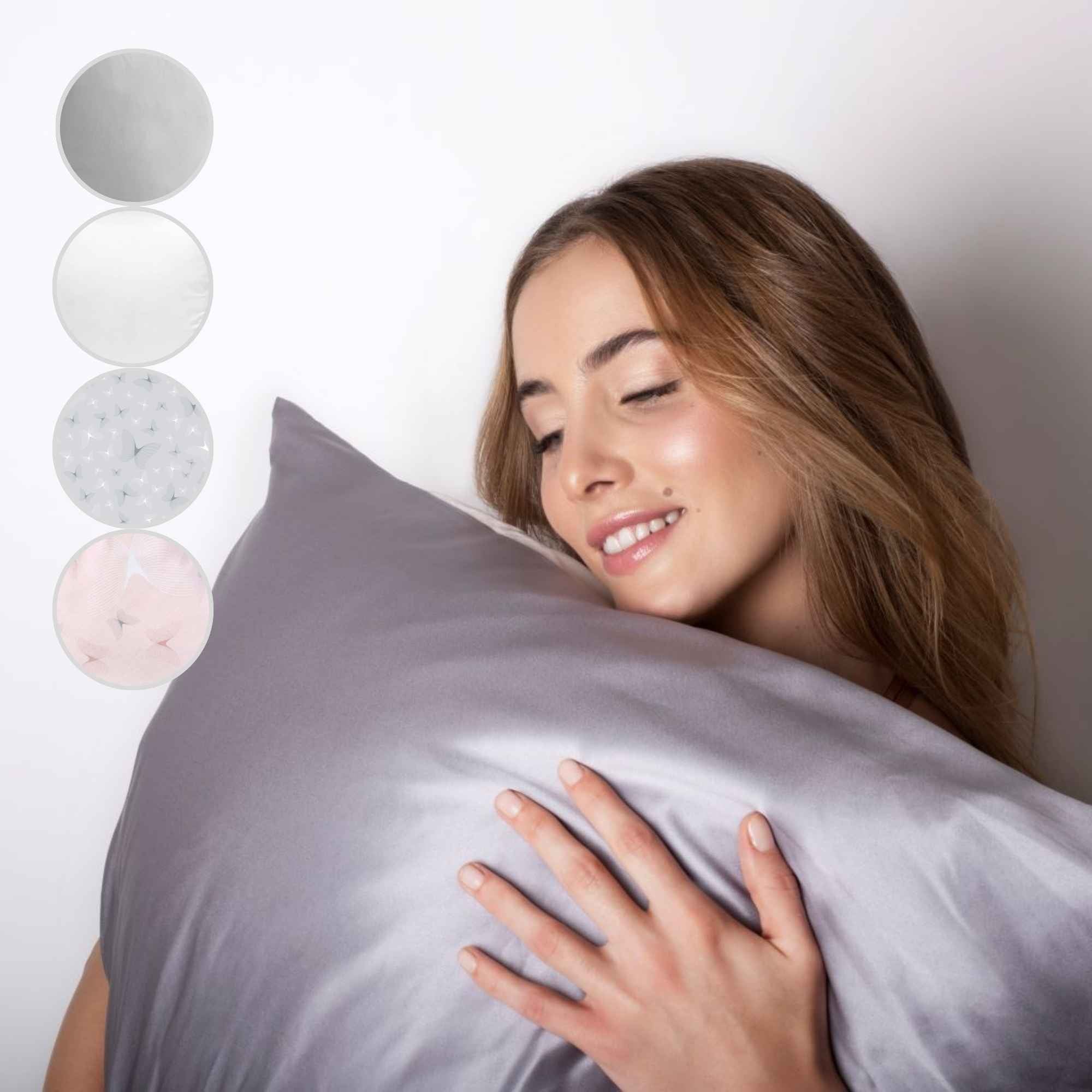
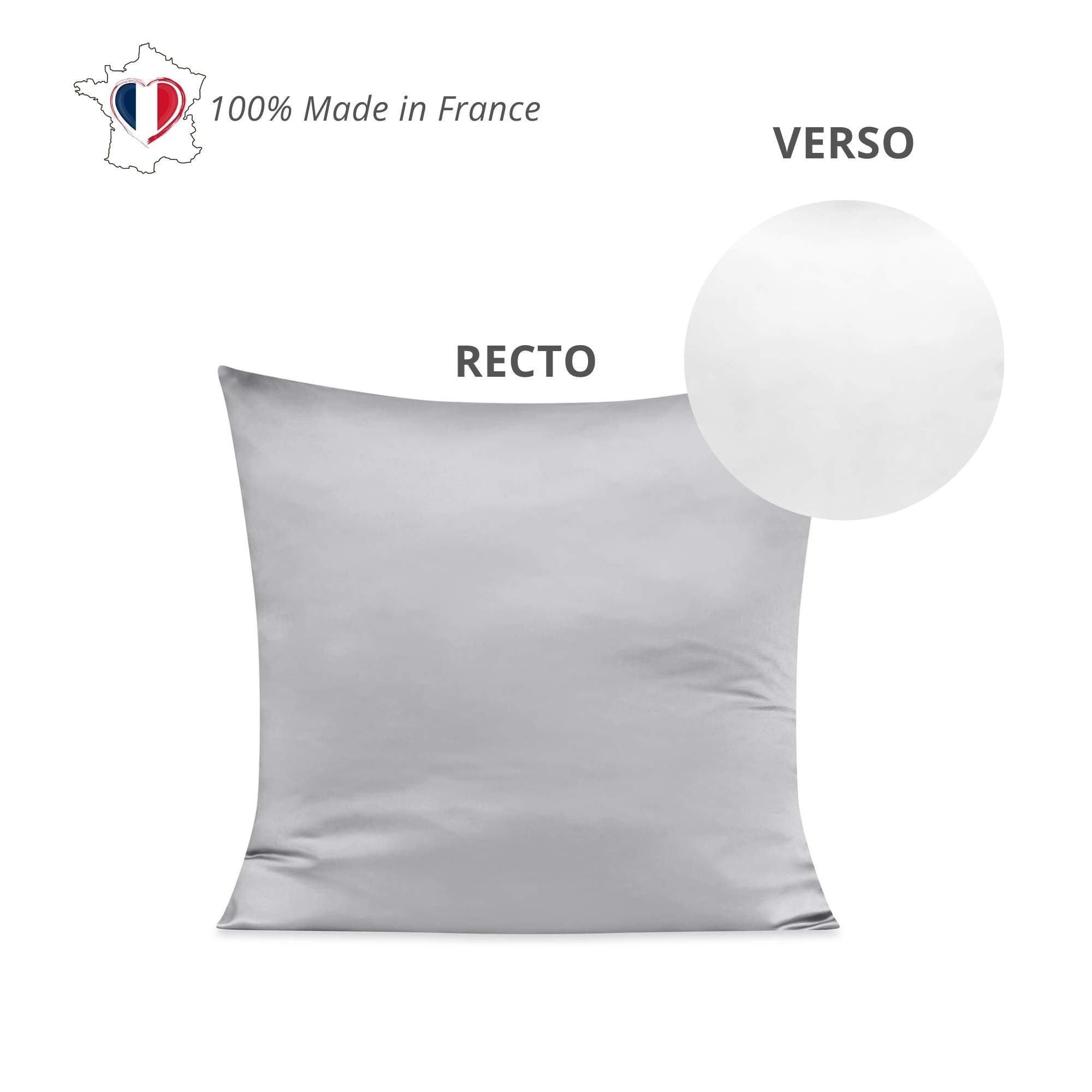
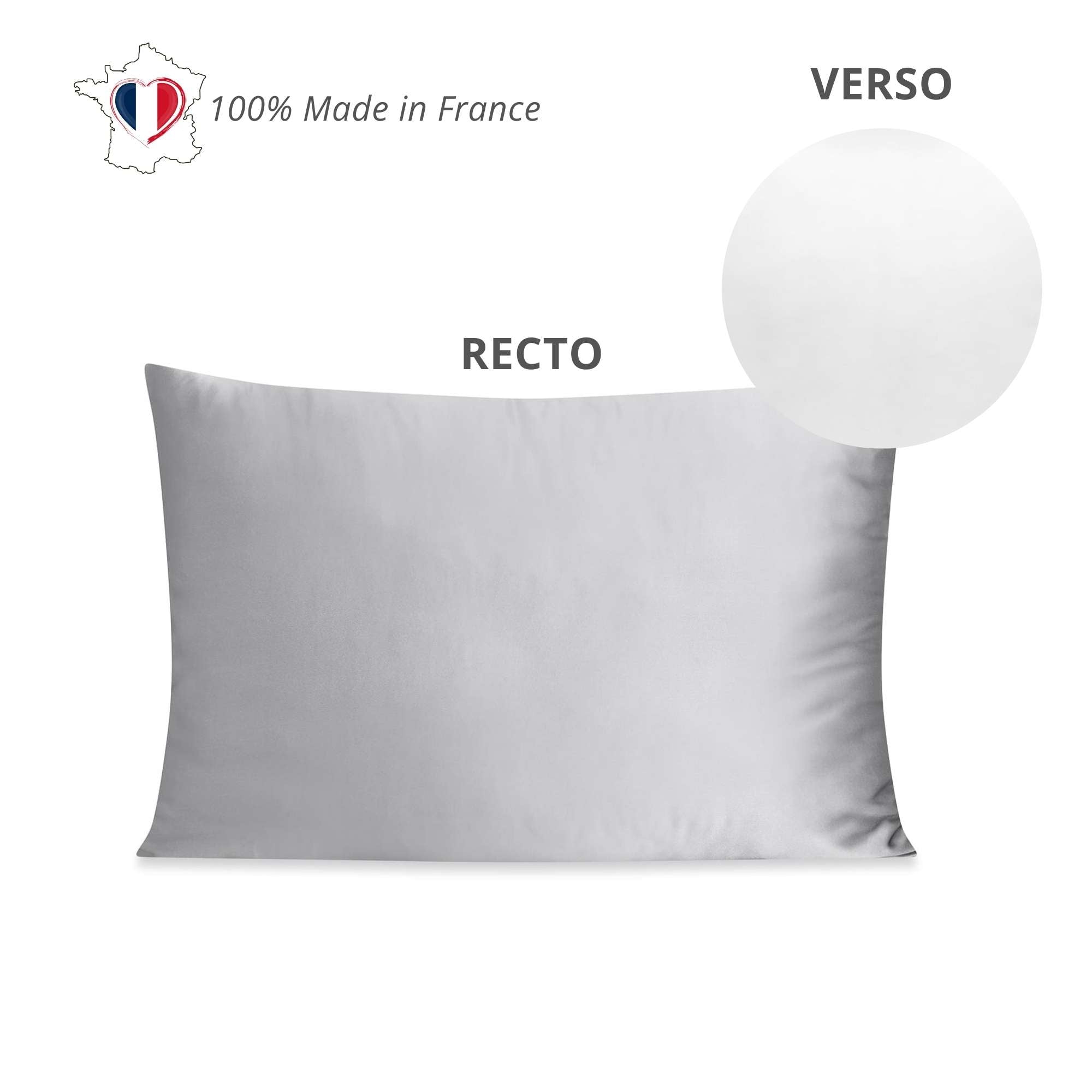
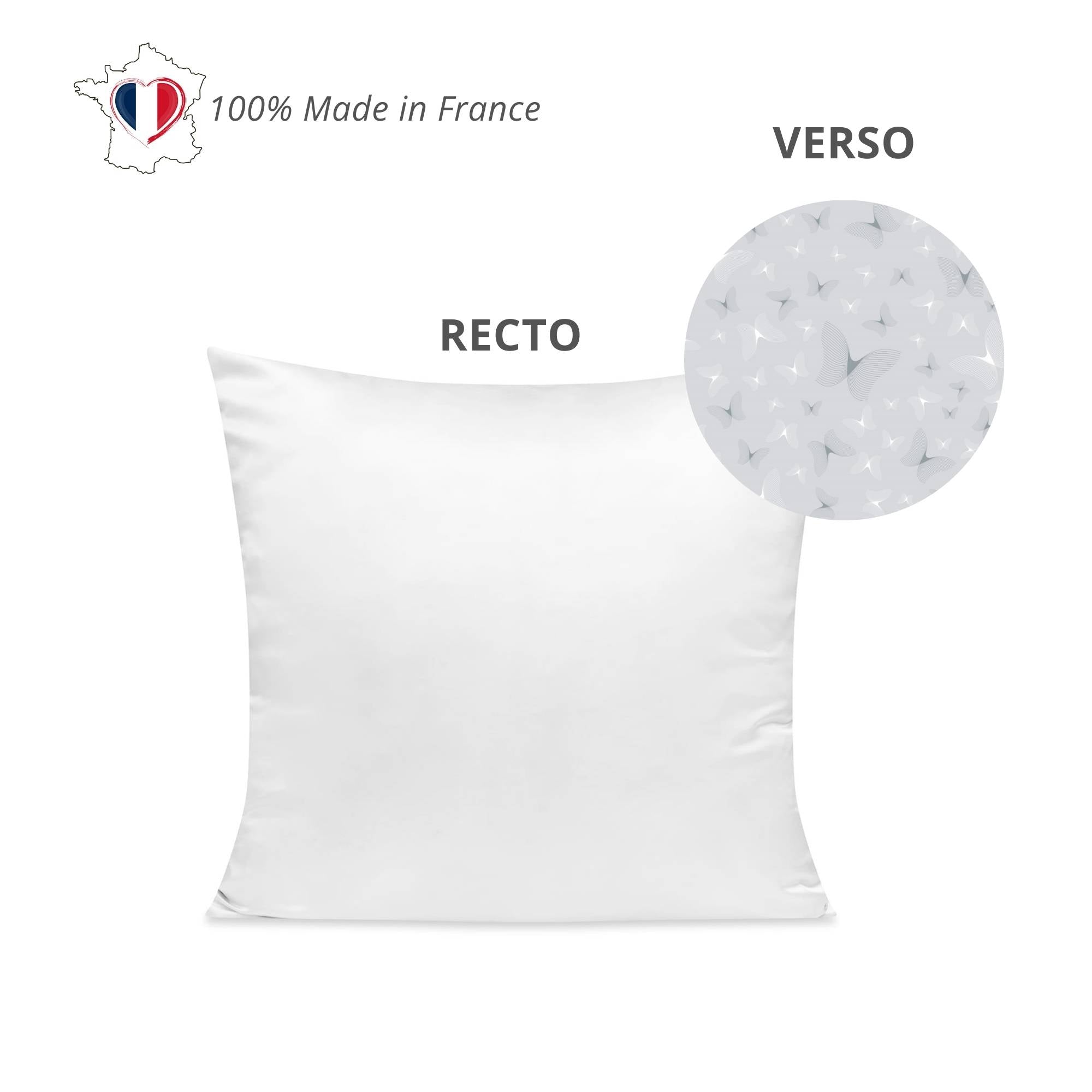
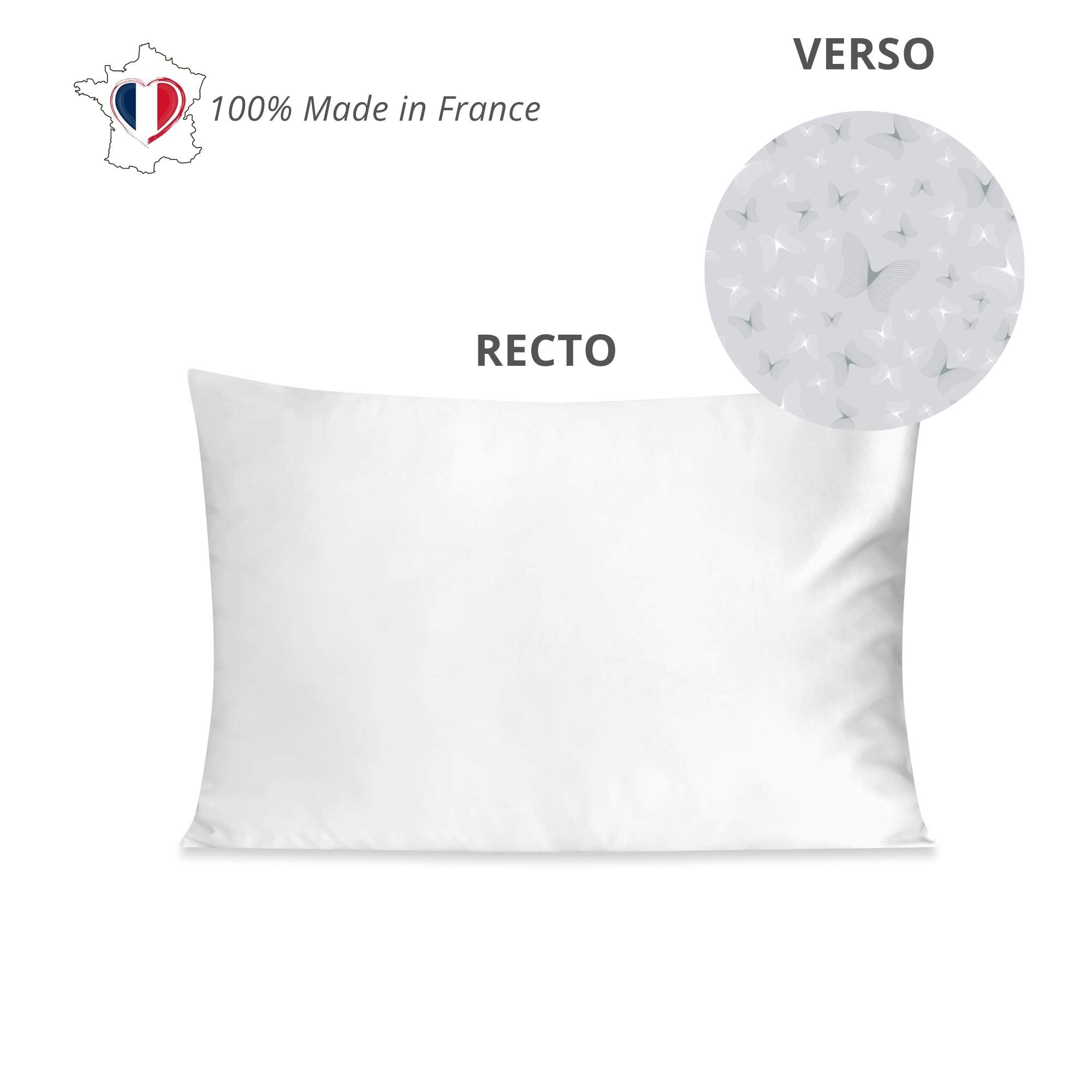
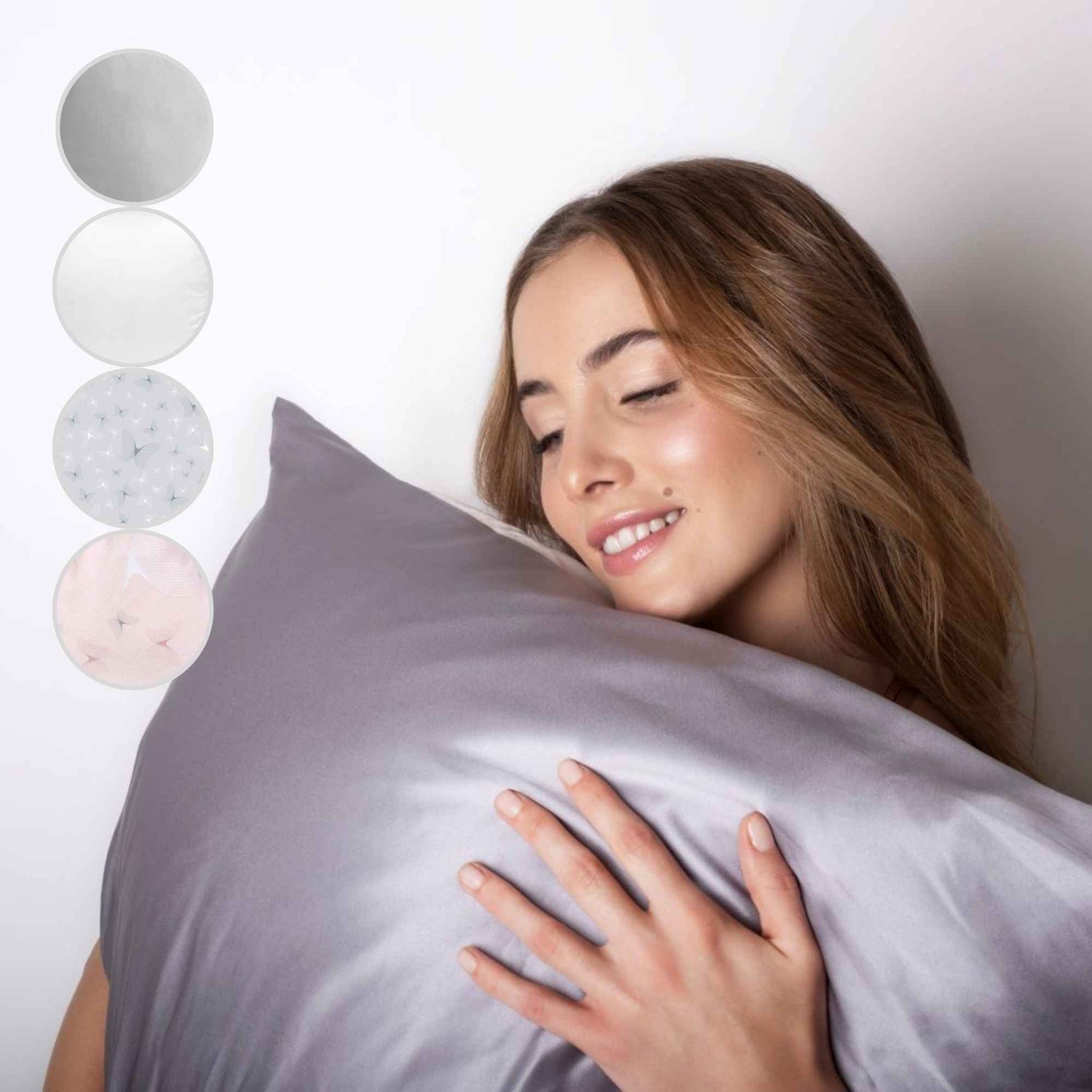
It is within this context that SILKBIOTIC silk comes into its own. It offers a naturally smooth surface, certified organic, Oeko-Tex and GOTS. It is gentle and helps to limit friction, preserve moisture and protect the hair fibre.
Because beauty depends not only on what we apply, but also on the surface upon which our skin and hair rest.
![Silk pillowcase – made in France – [6A grade silk] – SILKBIOTIC](http://silkbiotic.com/cdn/shop/files/preview_images/cc5bb5dd91684d7aa717c1ad36bcfe3b.thumbnail.0000000000.jpg?v=1743592147&width=3840)

The anti-ageing benefits of silk for the skin
Skin ageing is influenced by two main types of factors: internal factors linked to age and the body’s natural processes...

Comparison of silk and cotton pillowcases
In this comparison between silk and cotton, we explain the pros and cons for your skin and hair...

Silk: scientifically proven benefits for skin and hair
Silk is a natural material used in many different forms. It is mainly known to the general public...
![Silk pillowcase – made in France – [6A grade silk] – SILKBIOTIC](http://silkbiotic.com/cdn/shop/files/preview_images/cc5bb5dd91684d7aa717c1ad36bcfe3b.thumbnail.0000000000.jpg?v=1743592147&width=1500)