Silk proteins & biomimicry: science at the service of life



What if nature already held all the answers?
It has always inspired the greatest scientific breakthroughs. Today, one approach stands out in particular in the world of cosmetics: biomimicry. A science that observes, understands… and replicates the mechanisms of living organisms to better reveal their beauty.
At the heart of this approach: silk proteins.
Biomimicry involves replicating the physiological structures and functions of living organisms, rather than altering or restricting them.
In both hair care and skincare, this approach marks a fundamental shift.
Rather than relying on occlusive film-forming agents or silicones to create an immediate corrective effect, biomimicry aims to restore and support intrinsic biological mechanisms: the integrity of the keratin fibre in hair, and the barrier function and skin homeostasis in the skin.
The aim is no longer to artificially compensate for an alteration, but to promote the optimal functioning of biological structures.
This approach is based on the principles of sustainable performance, skin tolerance and respect for physiological balance.
2.1 Structure and biological origin of silk
Silk is a natural protein fibre produced by the silkworm, primarily Bombyx mori, during the formation of its cocoon.
This biological process results in a highly organised structure consisting of a fibroin core—a fibrous protein rich in crystalline β-sheets—surrounded by sericin, an amorphous protein that acts as a matrix and provides protection.
This hierarchical organisation gives silk remarkable mechanical properties, combining tensile strength, relative elasticity and structural stability. Its surface also has the ability to interact with water and modulate the reflection of light, which is responsible for its silky feel and characteristic lustre.
2.2 Molecular affinity with the skin and hair
Biochemically, silk proteins have an amino acid composition dominated by glycine, alanine and serine, as well as a molecular structure that promotes interactions with human proteins.
This structural similarity to hair keratin and certain proteins in the stratum corneum explains their strong biological affinity: they adhere to the surface, organise themselves coherently there and help improve mechanical and optical properties without disrupting physiological functions.
By forming a light, continuous and non-occlusive film, they help to smooth the hair fibre and strengthen the skin’s barrier function.
In other words: they ‘speak the same language’ as the hair and skin.
Hair is composed mainly of keratin, a structural protein.
Silk proteins, on the other hand, have a similar molecular structure.
This structural and physicochemical similarity promotes interactions via hydrogen bonding, electrostatic interactions and surface affinities between silk proteins and hair keratin. Silk proteins can thus adsorb evenly onto the surface of the hair fibre, penetrate damaged areas of the cuticle and conform to the hair’s structural irregularities. They form a continuous, flexible and non-occlusive film that respects the hair fibre’s natural dynamics.
This compatible structure enables a targeted biomimetic action: the active ingredient integrates into the hair’s surface without disrupting its structure, whilst improving its mechanical properties.
Result:
Unlike conventional active ingredients, they do not simply mask the hair. They interact with it.
The skin consists of a complex matrix of proteins, lipids and corneocytes organised within the stratum corneum, whose ‘brick-and-mortar’ structure directly determines its barrier function. This organisation ensures cellular cohesion, limits transepidermal water loss (TEWL) and protects the body from external aggressions. Any alteration to this architecture—such as lipid disorganisation, weakening of structural proteins or micro-cracks in the skin’s surface—results in reduced hydration, loss of suppleness and increased sensitivity.
Silk proteins have a molecular structure compatible with these structures.
As a result:
Unlike conventional film-forming agents (silicones, synthetic polymers, etc.), which are often occlusive or inert, silk proteins are designed to work in harmony with the skin. Whereas some films create an artificial barrier that can disrupt natural processes, particularly skin respiration and moisture balance, silk proteins form a light, breathable and dynamic veil.
They do not isolate the skin: they adapt to it. By supporting its natural functions without restricting them, they help to preserve its balance and its ability to self-regulate. They interact with the skin.
Unlike conventional approaches, which are often limited to surface effects, silk proteins interact with the material itself. Their structure and amino acid composition give them a particular affinity with biological proteins, enabling them to organise themselves coherently on the surface of both hair and skin, without disrupting their natural functions.
Rather than forming an inert film, they create a flexible and dynamic network capable of conforming to the irregularities of the hair fibre and the skin’s micro-relief. This adaptability improves surface quality and mechanical properties, leaving the hair smoother and shinier, and the skin softer and more comfortable, without any heavy-feeling residue.
The biomimetic approach thus delivers a result that is both visible and long-lasting, characterised by a delicate, light and non-occlusive texture, in harmony with the body’s natural balance.
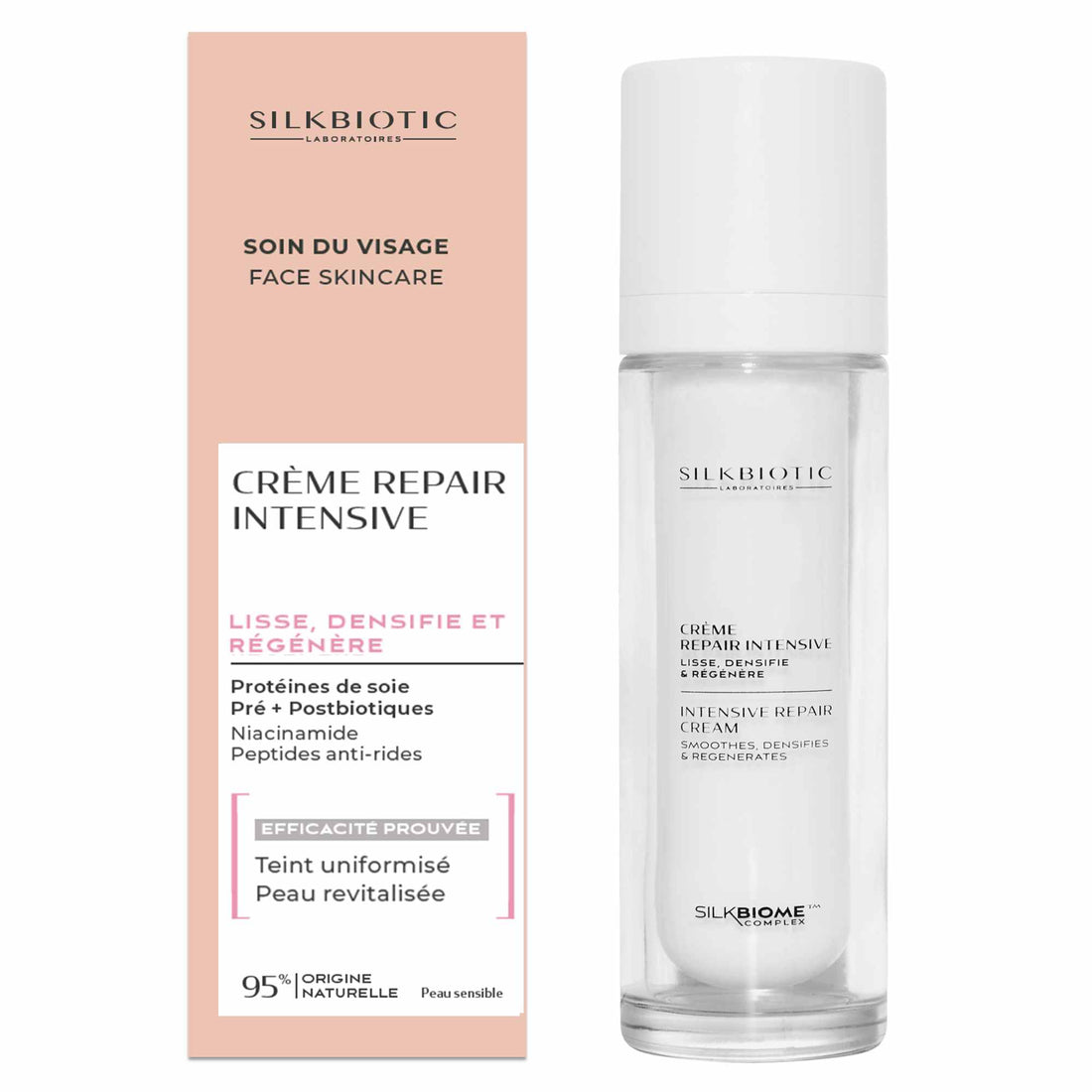
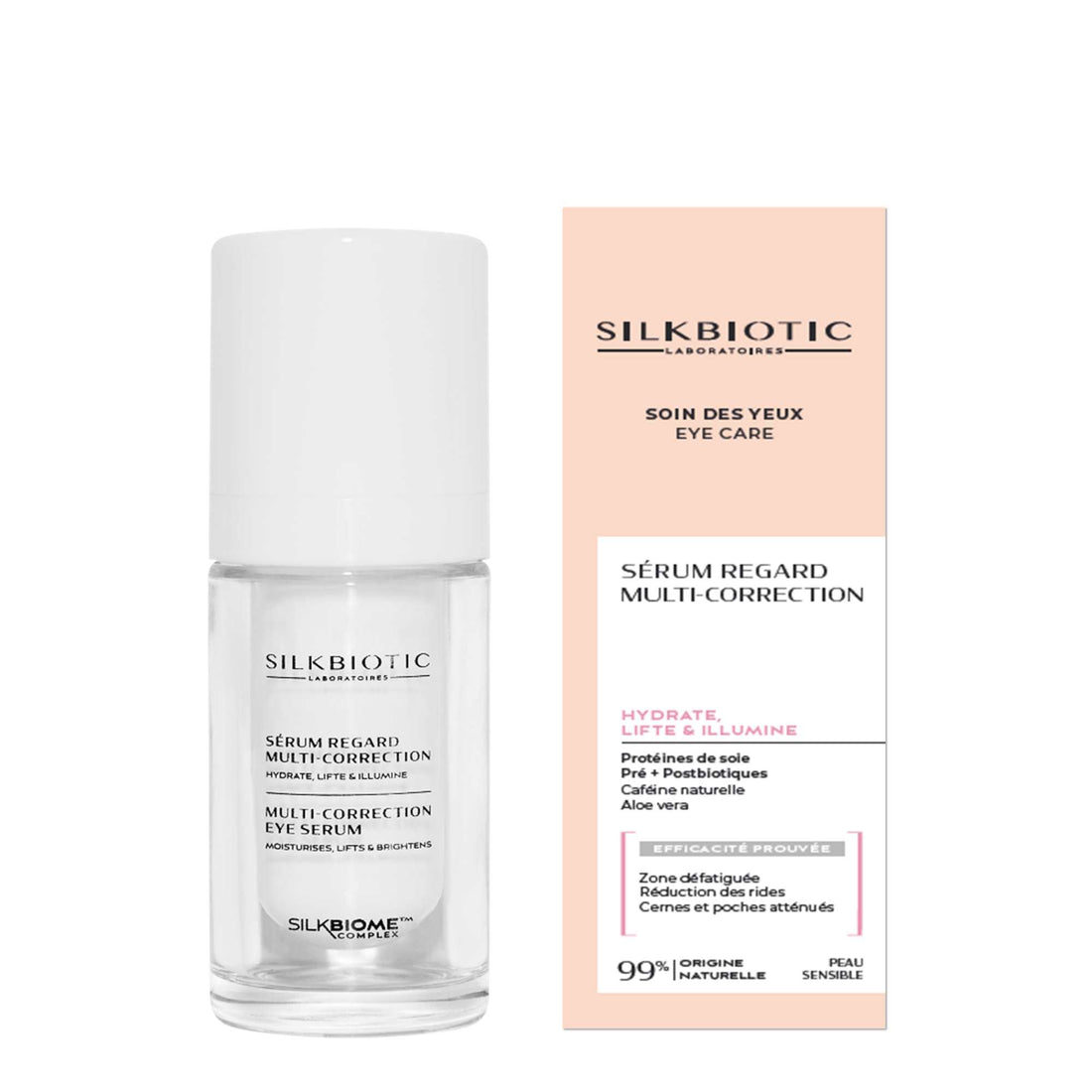
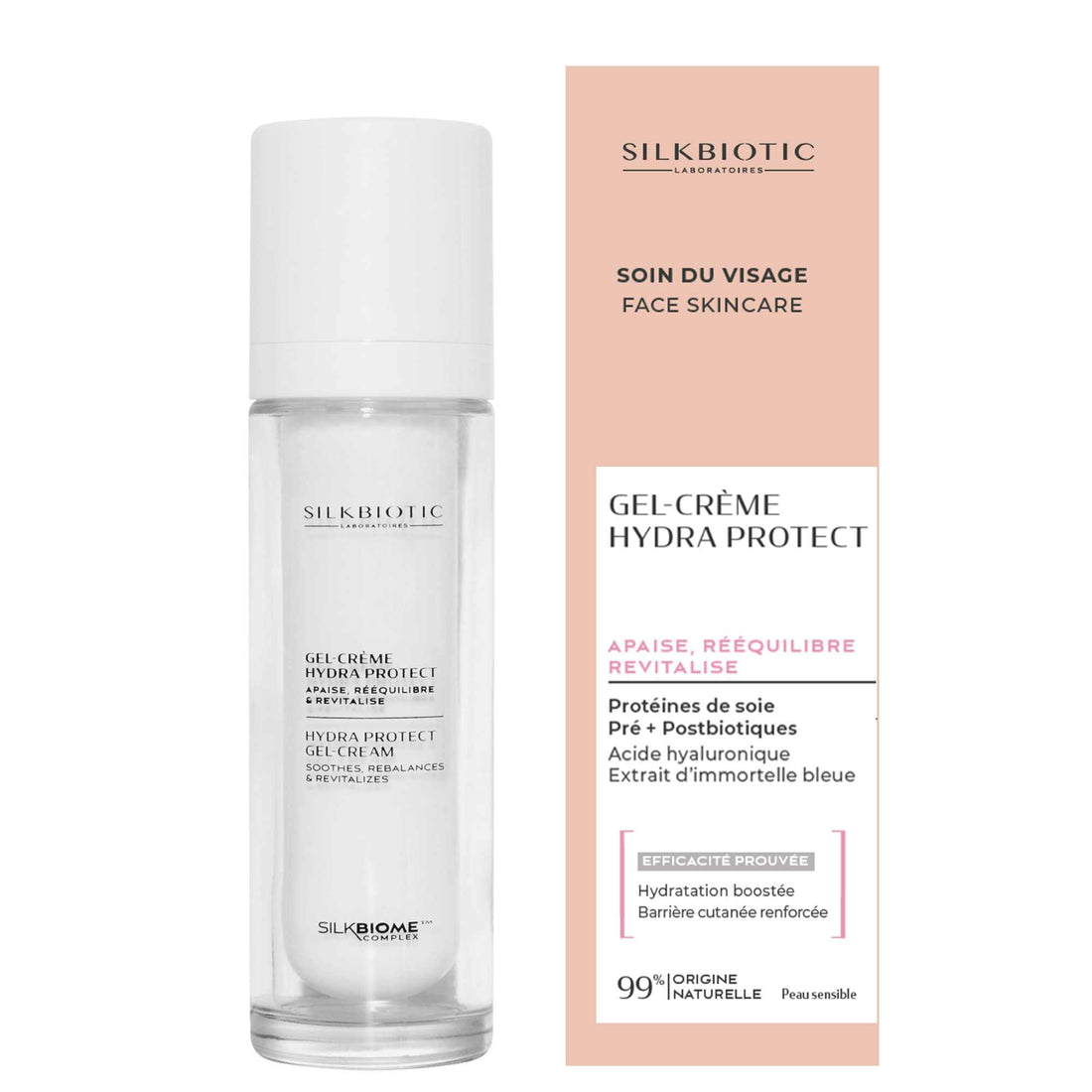
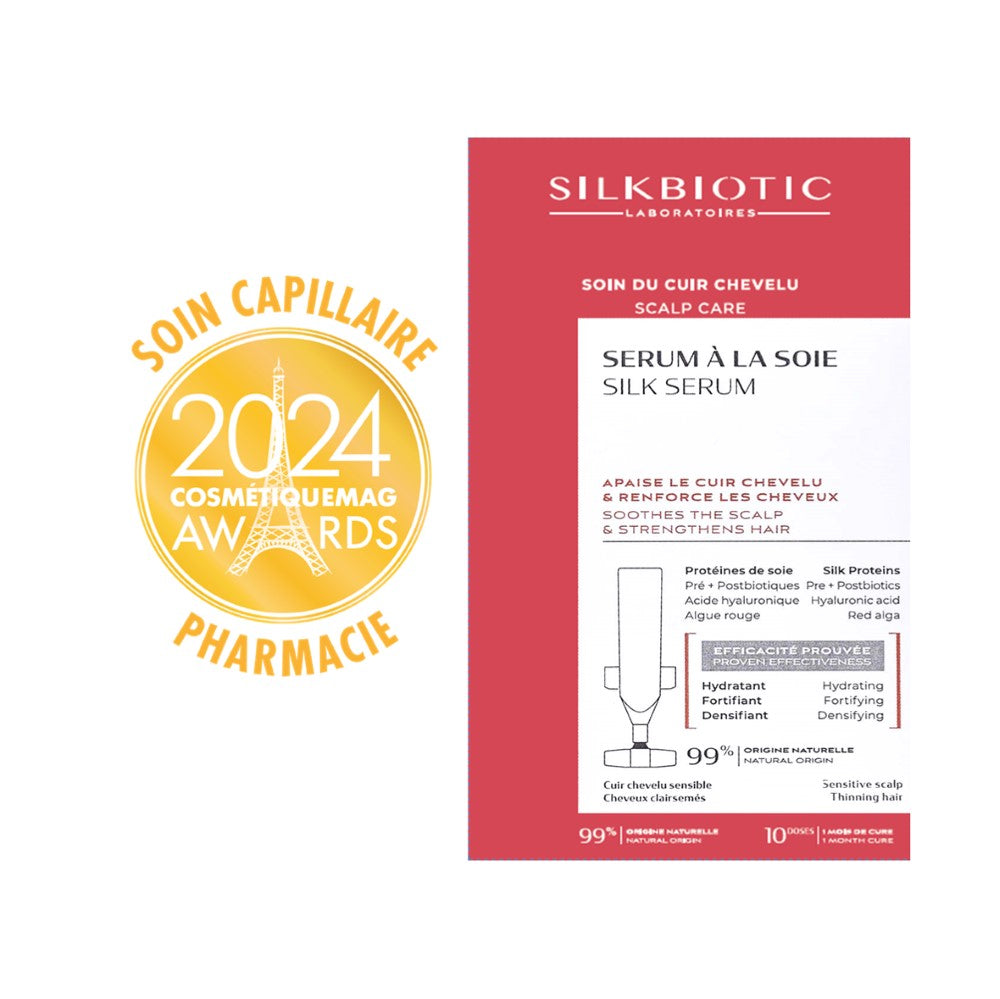
At Silkbiotic, silk proteins are not merely an ingredient: they form the very foundation of the formulation. They guide decisions regarding formulation, the selection of active ingredients and the balance of the formulas, with a view to ensuring consistency with biological structures.
Each product is designed to work in harmony with the hair and skin, respecting their natural structure and inherent mechanisms. It is not a question of transforming the material or creating an immediate illusion, but of interacting with precision, supporting intrinsic functions rather than constraining them.
This approach gradually reveals the true quality of the hair fibre and the skin: a more even texture, better hold, natural radiance and a refined sensory experience.
Nothing is masked; everything is optimised.
Because performance is not measured by the intensity of an instant effect, but by the relevance of the interactions implemented and their ability to endure over time.
Biomimicry is breaking new ground in hair and skincare: a more nuanced, more rigorous approach that prioritises understanding biological mechanisms over merely addressing their superficial manifestations.
Silk proteins represent a particularly successful application of this approach, thanks to their ability to interact with the structures of the hair and skin with perfect affinity.
Inspired by living organisms, this technology restores the quality of the material without imposing constraints: hair that is more supple, more radiant, with a smoother surface, and skin that is more balanced and comfortable, revealing a natural glow.


The most inspiring stories in cosmetics stem from science
In the world of beauty, emotion, sensory experience and dreams play a vital role. But behind every velvety texture, every fragrance...

The Skin: Our Living Cocoon
Our skin is our cocoon. SILKBIOTIC draws inspiration from nature by combining silk with the Silkbiome® complex to protect, respect and support the skin’s natural balance.

Silk: scientifically proven benefits for skin and hair
Silk is a natural material used in many different forms. It is mainly known to the general public...